
How to Measure Your Blood Pressure Correctly at Home
Introduction
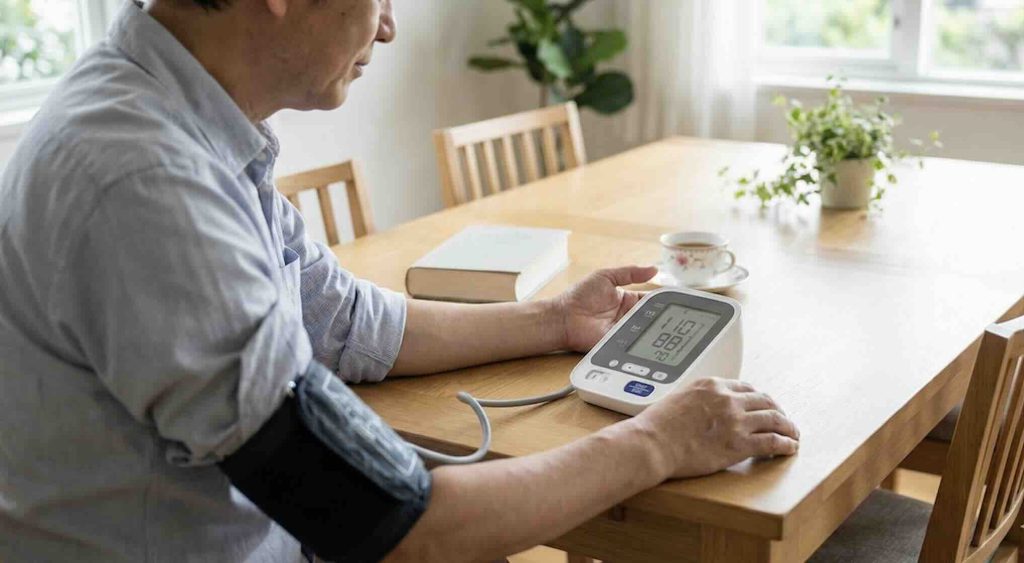
Checking your blood pressure at home is one of the most effective ways to stay in control of your health but only if you measure it correctly. Many people unknowingly take inaccurate readings due to poor posture, wrong cuff size, or common mistakes that doctors warn against. If you’ve read our guide on Why Regular Blood Pressure Monitoring Can Save Your Life, you already know that hypertension is a silent threat that can only be detected through consistent, accurate measurements. This article is on how to measure your blood pressure correctly at home.
Learn More: why blood pressure monitoring can save your life
In this article, we’ll walk you step-by-step through the proper way to measure your blood pressure at home using an upper-arm digital monitor, such as the Zybs LED Blood Pressure Monitor, to ensure your readings are reliable—and medically meaningful.
Why Accurate Home Measurement Matters
An incorrect reading can cause unnecessary panic, missed warning signs, or improper medication decisions.
Accurate measurements help you and your healthcare provider:
-
Identify hidden hypertension
-
Track response to medication
-
Detect morning blood pressure spikes
-
Understand your cardiovascular risk
Learn why accuracy is life-saving:
Step-by-Step Guide: How to Measure Your Blood Pressure Correctly
Prepare Your Body Correctly
Your body position and pre-measurement habits significantly affect accuracy.
Before measuring:
-
Sit quietly for 5 minutes
-
Avoid caffeine for 30 minutes
-
Empty your bladder
-
Keep your feet flat on the floor
-
Rest your arm on a table at heart level
More tips in our Blood Pressure Education category
Choose the Right Device
For medical accuracy, healthcare experts recommend upper-arm monitors over wrist or finger devices.
Your device should provide:
-
Automatic inflation
-
Clear LED display
-
Proper cuff size (22–42 cm)
-
Dual-user memory
-
Clinically validated accuracy
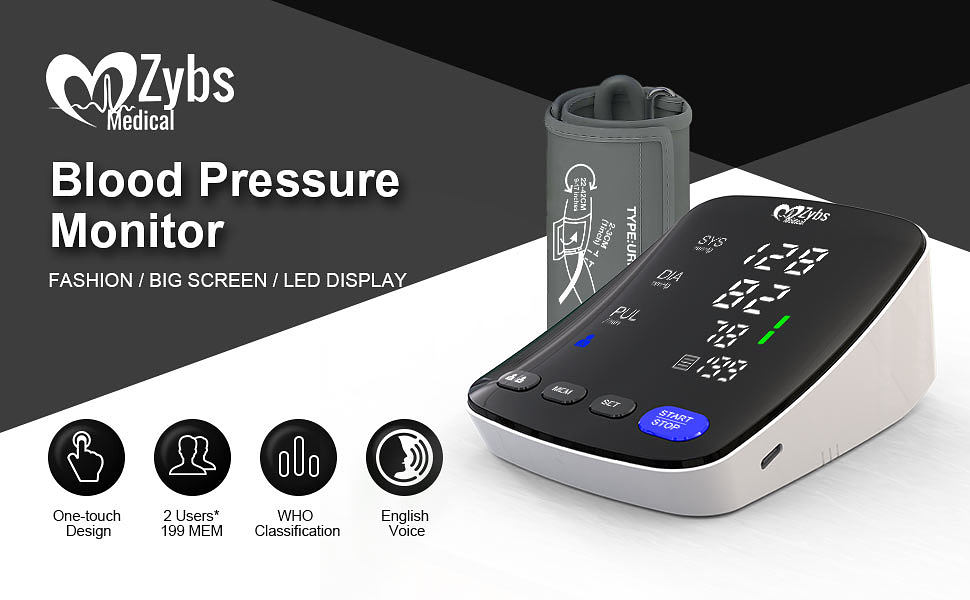
See full features of the Zybs LED Blood Pressure Monitor
Apply the Cuff Correctly
The cuff must be positioned properly:
-
Wrap it around bare skin, not clothing
-
Place it 1 inch above the crease of your elbow
-
Ensure it’s snug but not tight
-
Keep tubing aligned with your inner arm
Sit in the Correct Position
Your posture matters.
Follow this checklist:
-
Back straight
-
Feet uncrossed
-
Legs flat on floor
-
Arm supported at heart level
-
No talking, moving, or looking at phone
5. Take Multiple Readings
Doctors recommend 2 readings, 1–2 minutes apart.
Record the average.
If your monitor has dual-user memory, like the Zybs LED Monitor, it stores readings automatically.
Common Mistakes to Avoid
Even high-quality monitors can produce inaccurate readings when used incorrectly.
Avoid:
-
Measuring over clothing
-
Talking during measurement
-
Wrong cuff size
-
Cuff too loose or too tight
-
Legs crossed
-
Using wrist monitors
-
Measuring right after activity\
How Often Should You Measure?
-
Healthy adults: 2–3 times weekly
-
Elevated BP: Daily
-
Hypertension: Morning & evening
-
On new medication: Twice a day for 2 weeks
When to Contact a Doctor
Call your provider if:
-
Readings consistently above 130/80
-
High morning readings
-
Unexplained spikes
-
Readings above 180/120 (Go to ER immediately)
Conclusion
Measuring your blood pressure correctly is one of the most powerful habits for protecting your long-term health. With the right posture, the right technique, and the right device, your home readings become a reliable tool for preventing stroke, heart attack, and complications.
A dependable upper-arm device like the Zybs LED Blood Pressure Monitor makes the process simple, accurate, and accessible for individuals and families.
View the Zybs LED Blood Pressure Monitor
Zybs Medical Group — Frequently Asked Questions (FAQ)
1. How often should I check my blood pressure at home?
Healthy adults should check 2–3 times per week.
People with elevated or high blood pressure should check daily, ideally at the same time each day.
For detailed guidance, see our article:
How Regular Blood Pressure Monitoring Can Save Your Life
AHA Guidelines
2. What is the correct way to measure blood pressure at home?
Sit upright with your feet flat on the floor, rest your arm at heart level, avoid talking, and ensure the cuff is applied on bare skin. Using an upper-arm digital monitor gives the most accurate reading.
Step-by-step guide:
How to Measure Your Blood Pressure Correctly at Home complete in this article
Additional support:
Home Diagnostics Category →
Authoritative source:
MedlinePlus Guide
3. What do systolic and diastolic numbers mean?
-
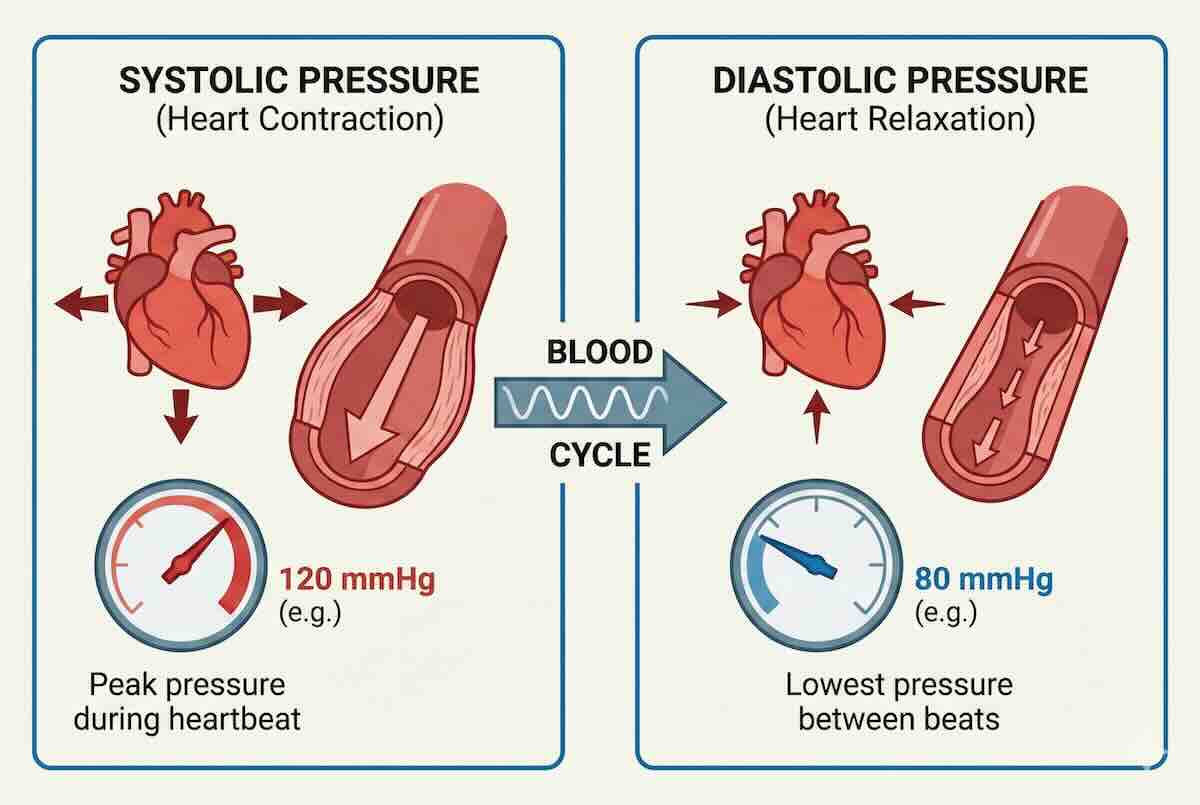
Systolic (top number): Pressure when the heart beats
-
Diastolic (bottom number): Pressure when the heart rests
Understanding these numbers early helps prevent complications.
Learn more here:
Blood Pressure Education Category
AHA BP Categories
4. What is considered high blood pressure?
According to the American Heart Association:
-
Elevated: 120–129 / <80
-
Stage 1: 130–139 / 80–89
-
Stage 2: 140+ / 90+
-
Hypertensive Crisis: 180/120 → seek emergency care
Authoritative source:
CDC High Blood Pressure Facts
5. Why should I use an upper-arm blood pressure monitor instead of a wrist one?
Upper-arm monitors are more accurate because they measure closer to the central arteries. Wrist monitors are more sensitive to body position and often give false readings.
Learn about proper devices and accuracy in:
Home Diagnostics Category
6. Is the Zybs LED Blood Pressure Monitor accurate?
Yes. The Zybs LED Blood Pressure Monitor uses clinically tested technology, a wide-range cuff (22–42 cm), and one-button operation that reduces user error.
View full device specifications:
Product Features
Buy Now
7. What cuff size do I need for accurate readings?
Most adults need a cuff that fits 22–42 cm circumference.
A cuff that is too small or too large will produce incorrect readings.
Learn more:
Product Support
Authoritative source:
Mayo Clinic BP Cuff Guide
8. Can home blood pressure monitors detect hypertension early?
Yes — early detection is one of the biggest benefits of home monitoring. Many people discover hypertension at home before it appears during a doctor visit.
Read the full explanation:
Why Regular Monitoring Can Save Your Life
Authoritative source:
NIH Hypertension Overview
9. What should I do if my readings are consistently high?
If your readings are consistently above 130/80, contact a healthcare provider.
If you experience 180/120 or higher, seek emergency care immediately.
Zybs Medical Group support:
Contact Us →
Relevant services:
Medical Disability & C&P Exams →
DOT Exams →
10. How many readings should I take each time?
Doctors recommend:
-
Take two readings, 1–2 minutes apart
-
Average them
-
Record the results
Most modern devices, including the Zybs LED Blood Pressure Monitor, store multiple readings automatically.
11. What time of day is best to check blood pressure?
Medical experts recommend:
-
Morning, before eating or medication
-
Evening, 12 hours later
If you check daily, stay consistent with timing.
12. Should I track my blood pressure in a log?
Yes — this helps your healthcare provider notice trends.
If using the Zybs LED BP Monitor, the device stores 199 readings per user, making tracking easier.
13. Who should monitor blood pressure at home?
Home monitoring is recommended for:
-
Adults 35+
-
People with hypertension
-
People with diabetes
-
Individuals on BP medication
-
Pregnant women
-
People experiencing dizziness or headaches
-
Veterans undergoing medical evaluations
Relevant services:
Military Readiness Exams
Military Retirement/Separation Exams