
why Blood pressure monitoring saves life
Introduction
High blood pressure is one of the most dangerous medical conditions because it has no visible symptoms yet it slowly damages the heart, kidneys, blood vessels, and brain. Millions of people walk around every day unaware that their blood pressure is dangerously high until it leads to a medical emergency. Blood pressure monitoring is too essential to be ignored to chance.
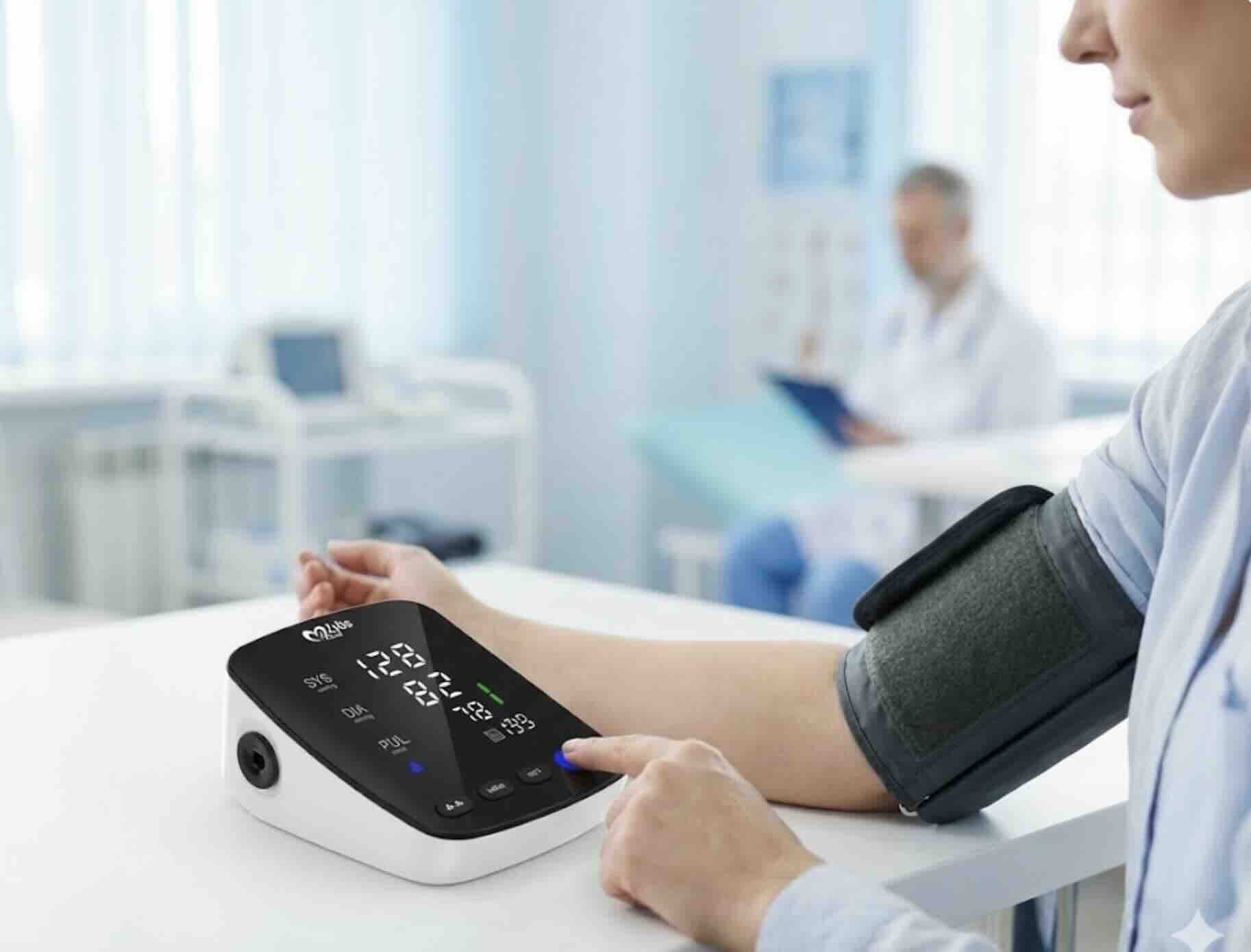
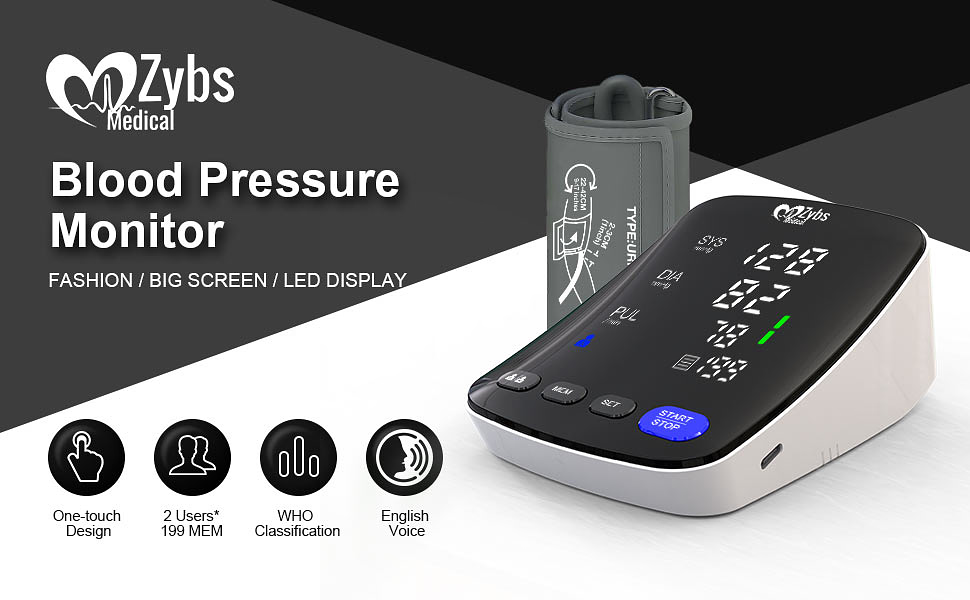
Regular home monitoring is one of the most effective ways to stay ahead of this silent threat. Modern tools like the Zybs LED Blood Pressure Monitor with a dual user memory make it easier than ever to check your numbers accurately, track them over time, and take action early. In this guide, you’ll learn why monitoring matters, what your numbers mean, how often to check, and how home monitoring can literally save your life.
Key Takeaway
Regular blood pressure checks at home are one of the simplest, most effective, and most affordable ways to prevent heart disease, stroke, and long-term organ damage, especially when paired with an accurate, easy-to-use electronic monitor.
Understanding Blood Pressure: What Your Numbers Really Mean
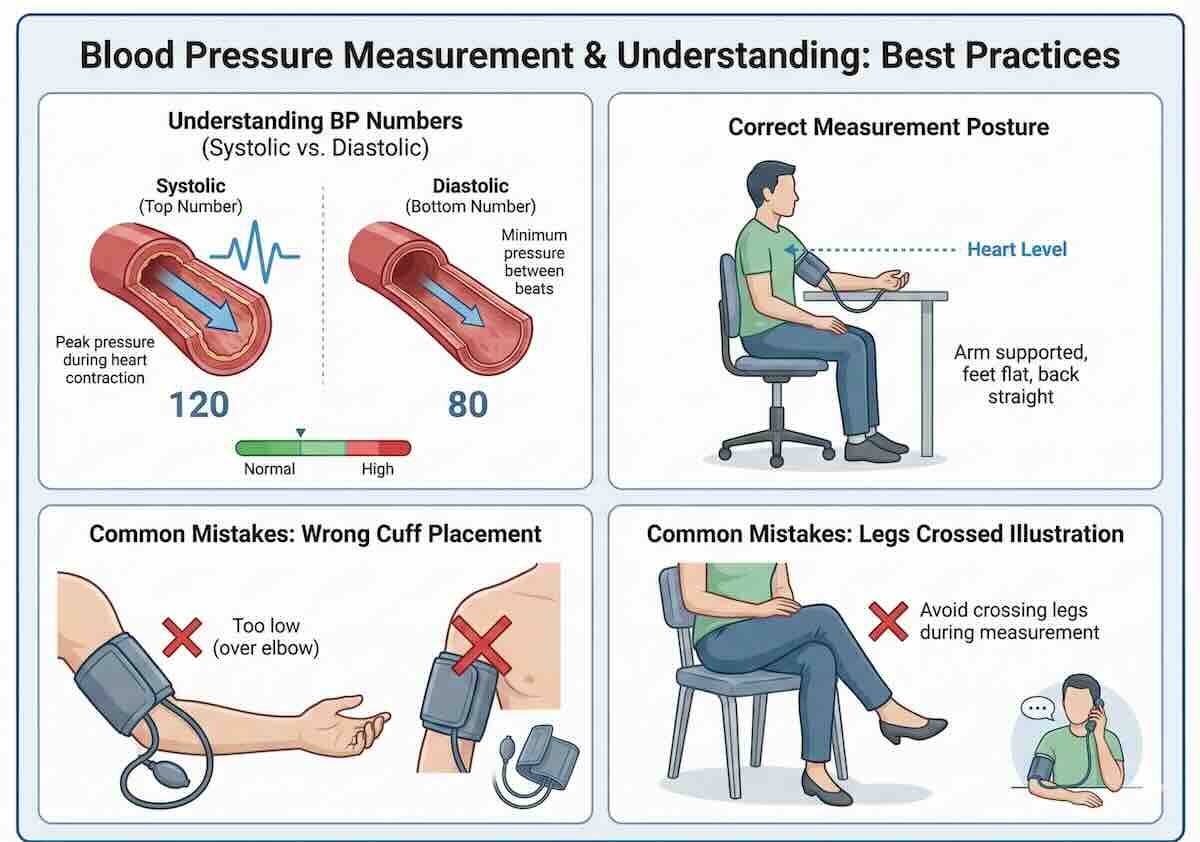
Your blood pressure reading consists of two numbers:
1. Systolic Pressure (Top Number)
This measures the pressure in your arteries when your heart beats.
High systolic readings over time increase your risk of:
-
Heart attack
-
Stroke
-
Vision damage
-
Kidney failure
2. Diastolic Pressure (Bottom Number)
This measures the pressure between beats, when the heart is at rest.
High diastolic pressure can indicate:
-
Blood vessel stiffness
-
Circulation damage
-
Long-term hypertension risk
Normal Ranges According to AHA:
-
Normal: Below 120/80
-
Elevated: 120–129 / below 80
-
Hypertension Stage 1: 130–139 / 80–89
-
Hypertension Stage 2: 140+ / 90+
-
Crisis: 180/120 → Seek medical care immediately
Understanding these numbers helps you identify dangerous trends early.
Buy Now
Why Regular Monitoring Is Life-Saving
High blood pressure earned the name “the silent killer” for one reason:
It causes serious damage before you ever feel anything wrong.
Regular monitoring helps you:
1. Detect Hidden Hypertension Early
Many people don’t know they have high blood pressure until they visit a doctor—or after a medical scare.
Home monitoring reveals your numbers in real time so you can act before complications begin.
2. Prevent Heart Attack and Stroke
High blood pressure is the leading cause of:
-
Heart attacks
-
Ischemic and hemorrhagic strokes
-
Aortic aneurysms
Keeping your numbers in check reduces the strain on your heart and arteries.
3. Track How Medication or Lifestyle Changes Are Working
Whether you’re:
-
Starting blood pressure medication
-
Improving diet
-
Exercising
-
Reducing sodium
-
Managing stress
Home monitoring shows which changes are working — and which are not.
Doctors now expect patients to bring home readings to appointments.
4. Uncover “White Coat” or “Masked” Hypertension
Some people have high blood pressure only at the doctor’s office (white coat hypertension).
Others have normal readings at the clinic but high readings at home (masked hypertension).
Home monitoring gives a clearer, more reliable picture of your true blood pressure.
Why You Should Use an At-Home Electronic Monitor
Today’s technology makes self-monitoring simple.
A modern electronic monitor provides:
-
Accurate digital readings
-
LED backlit screens for visibility (day and night)
-
Memory storage for tracking trends
-
Automatic inflation and deflation
-
Wide cuffs that fit most users
-
One-button operation
The Zybs LED Blood Pressure Monitor includes all of these features, making it ideal for seniors and families.
How Often Should You Check Your Blood Pressure?
Medical professionals recommend:
For healthy adults with no history of hypertension:
-
2–3 times per week
For people with elevated or high blood pressure:
-
Daily checks, ideally at the same time each day
For people starting medication:
-
Morning and evening readings for the first 2 weeks
(Your doctor may ask for a log.)
Home monitors with dual-user memory like the Zybs LED Monitor make this incredibly easy.
How to Measure Your Blood Pressure Correctly
Before measuring:
-
Sit quietly for 5 minutes
-
Avoid caffeine, smoking, or exercise for 30 minutes
-
Empty your bladder
-
Rest your arm at heart level
During the measurement:
-
Sit upright
-
Keep legs uncrossed
-
Do not talk
-
Place the cuff directly on bare skin
-
Keep still
After the measurement:
-
Wait 1–2 minutes between readings
-
Record the average of two readings
These small steps dramatically improve accuracy.
Common Mistakes That Lead to Wrong Readings
Many inaccurate readings happen due to:
-
Wrong cuff size
-
Cuff placed over clothing
-
Talking or moving during measurement
-
Poor posture
-
Measuring after physical activity
-
Using an old or uncalibrated device
Using an upper-arm digital monitor with a wide cuff reduces these issues.
When You Should Contact a Doctor
-
Readings are consistently above 130/80
-
You experience headaches, dizziness, or chest discomfort
-
Your morning readings are higher than evening readings
-
You get a sudden spike without explanation
Seek emergency care if you see:
-
Above 180 systolic OR above 120 diastolic
and feel symptoms like chest pain, difficulty breathing, confusion, or blurred vision.
Home Monitoring + Healthy Lifestyle = Strong Protection
Regular monitoring is only part of the solution.
Pair it with:
-
Low-salt diet
-
Daily physical activity
-
Good sleep
-
Stress reduction
-
Hydration
-
Medication compliance
Your blood pressure monitor becomes a powerful tool for early warning, prevention, and long-term control.
Conclusion
Hypertension may be silent, but your blood pressure monitor gives you a voice of protection.
With consistent monitoring, you can detect early warning signs, avoid emergencies, and manage your heart health confidently at home.
The Zybs LED Blood Pressure Monitor delivers accurate, easy-to-read measurements that empower you to take control of your health every day.
Start monitoring today—your heart will thank you.