
Causes of High Blood Pressure
High blood pressure, also called hypertension, is one of the most common health concerns affecting adults. What makes it especially dangerous is that it often develops quietly over time and may not cause obvious symptoms until it has already begun to strain the heart, blood vessels, kidneys, brain, or eyes. That is one reason hypertension is often described as a “silent” threat.
If you have ever wondered what causes high blood pressure, the answer is not always simple. In many people, there is no single cause. Instead, blood pressure rises because of a combination of age, family history, lifestyle habits, and underlying health conditions. Some causes are easier to control than others, but understanding the risk factors is the first step toward prevention and better management.
At Zybs Medical Group, we believe education and regular monitoring go hand in hand. The more you understand about the hidden risks behind hypertension, the better prepared you are to protect your long-term health.
What is high blood pressure?
Blood pressure is the force of blood pushing against the walls of your arteries. When that pressure stays too high over time, it can damage the cardiovascular system and increase the risk of heart disease and stroke. According to NHLBI and the American Heart Association, adult blood pressure categories include normal, elevated, stage 1 hypertension, stage 2 hypertension, and hypertensive crisis.
In simple terms, high blood pressure means your heart and blood vessels are working under more strain than they should.
Why does high blood pressure happen?
For most adults, hypertension develops gradually. This is often called primary hypertension, meaning there is not one single identifiable cause. Instead, it tends to be linked to patterns such as poor diet, lack of exercise, excess body weight, alcohol use, tobacco exposure, poor sleep, and long-term health changes that come with aging. A smaller number of cases are secondary hypertension, which means the high blood pressure is related to another medical issue, such as kidney disease, certain endocrine disorders, pregnancy-related conditions, or some medicines.
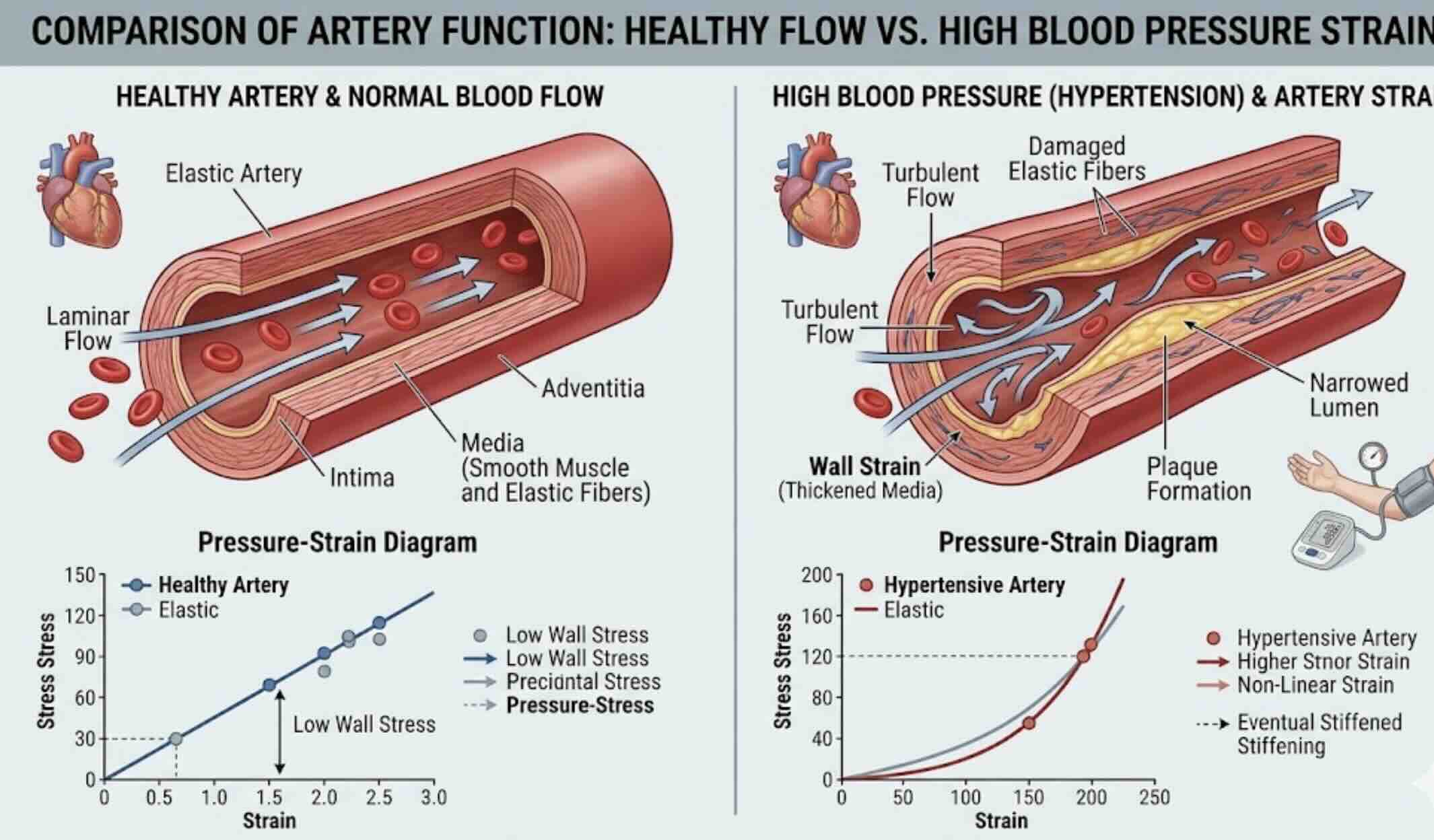
The hidden risks that can raise blood pressure
1. Too much sodium in the diet
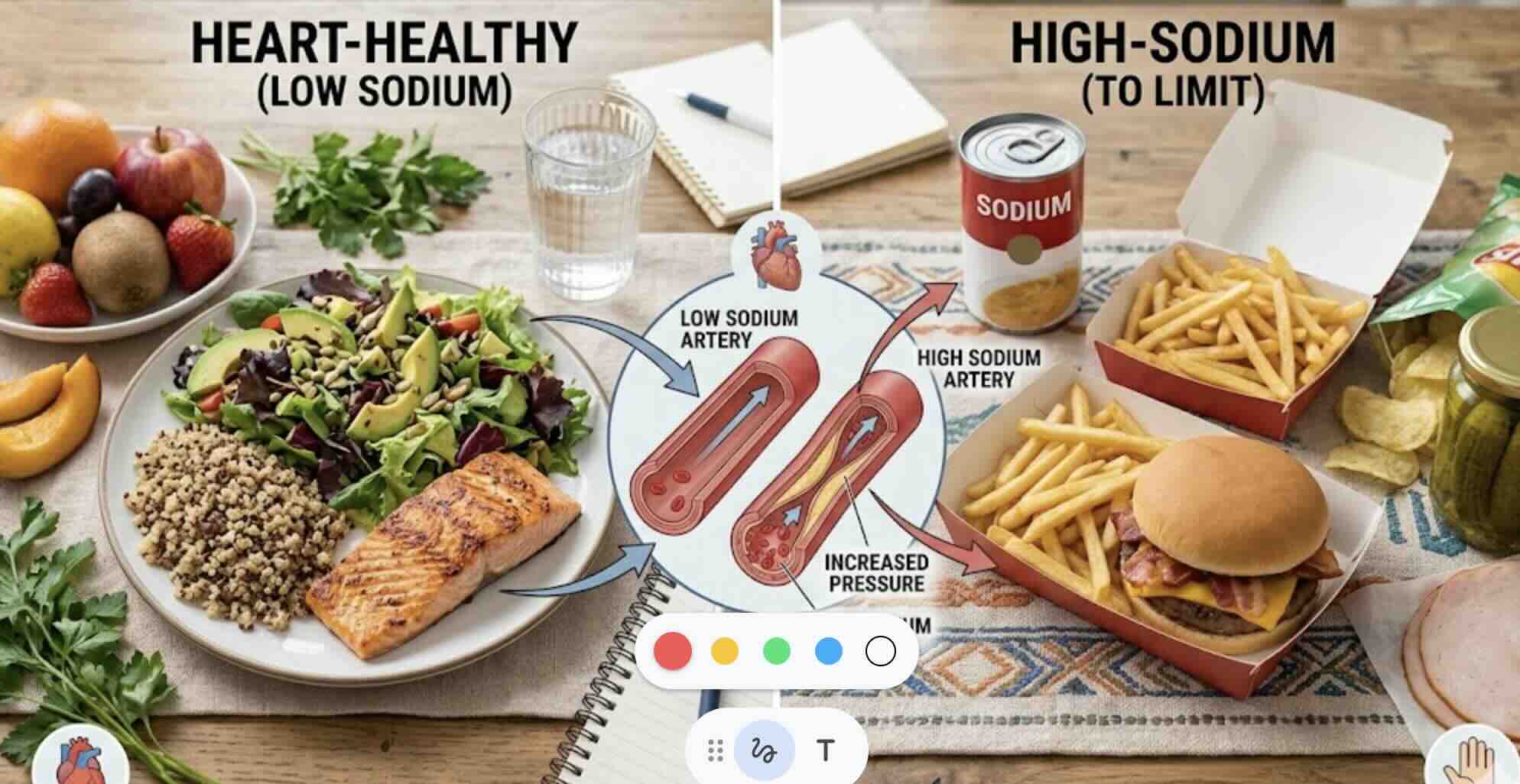
One of the most common contributors to high blood pressure is an unhealthy diet, especially one that is high in sodium. Salt can affect fluid balance and, over time, increase pressure inside blood vessels. Many people think only table salt is the issue, but sodium is often hidden in packaged foods, canned soups, fast food, sauces, and processed meats. The CDC and American Heart Association both identify unhealthy diet patterns, especially excess sodium, as major modifiable risk factors.
2. Excess weight and obesity
Carrying excess body weight increases strain on the heart and circulatory system. Over time, that added strain can make blood pressure harder to control. Obesity is also linked with other conditions that raise blood pressure risk, including sleep apnea, insulin resistance, and diabetes.
3. Physical inactivity
A sedentary lifestyle can contribute to poor cardiovascular health and increase the likelihood of developing hypertension. Regular movement supports heart health, circulation, and weight management. When physical activity is low, blood pressure risk tends to rise.
4. Family history and genetics
Some people are more likely to develop high blood pressure because it runs in their family. Genetics do not guarantee that you will have hypertension, but they can increase your risk. This is why regular screening matters, especially if close relatives have a history of high blood pressure, heart disease, stroke, or kidney disease.
5. Age
Blood pressure risk tends to increase with age. Blood vessels can become less flexible over time, and years of lifestyle patterns may contribute to rising numbers. That said, younger adults are not immune. Elevated blood pressure can begin earlier in life and still pose health risks later

6. Alcohol and tobacco use
Drinking too much alcohol can raise blood pressure. Tobacco use also damages the heart and blood vessels and increases cardiovascular risk. Even when smoking is not the sole cause of hypertension, it can worsen the overall risk picture and increase the chances of serious complications.
7. Sleep apnea and poor sleep
Sleep health is often overlooked in conversations about hypertension. Obstructive sleep apnea, in particular, has been linked with increased risk of high blood pressure and is common among people with resistant hypertension. Poor-quality sleep may also make it harder to control blood pressure.
8. Diabetes and other medical conditions
Certain medical conditions can raise blood pressure risk or make control more difficult. Diabetes is one of the most important examples. Kidney disease is another major factor, and in some cases it may directly cause secondary hypertension. Other conditions and some medications can also play a role.
9. Stress and daily habits
Stress is not always the sole cause of long-term hypertension, but it can influence behavior patterns that contribute to high blood pressure, such as poor sleep, overeating, higher alcohol intake, smoking, and lack of exercise. For many people, chronic stress becomes part of a broader lifestyle pattern that affects cardiovascular health.
10. Not monitoring blood pressure regularly
One of the most overlooked risks is simply not knowing your numbers. Because high blood pressure often has no warning signs, it can go unnoticed for a long time. Regular checks at home and during medical visits can help identify a problem earlier and support timely follow-up. NHLBI notes that symptoms usually do not appear until blood pressure has already caused serious problems.
Why high blood pressure is called a hidden threat
Many people feel completely fine even when their blood pressure is elevated or in a hypertensive range. That is why routine monitoring is so important. Uncontrolled high blood pressure can increase the risk of heart attack, stroke, heart failure, kidney damage, and vision problems.
This is also why home monitoring has become such an important part of everyday health management. A reliable upper-arm blood pressure monitor can help people keep track of readings over time, notice patterns, and share useful information with their healthcare provider.
If you are new to checking your blood pressure at home, read our guide on How to Measure Your Blood Pressure Correctly at Home and our article on Why Regular Blood Pressure Monitoring Can Save Your Life.
Can high blood pressure be prevented?
Many risk factors for hypertension are modifiable, which means they can be improved. The CDC, NHLBI, and American Heart Association all emphasize the value of healthy lifestyle habits such as eating well, being physically active, maintaining a healthy weight, limiting alcohol, and managing related health conditions.
Prevention and control may include:
- Eating a more heart-healthy diet
- Reducing excess sodium
- staying physically active
- maintaining a healthy weight
- limiting alcohol
- avoiding tobacco
- improving sleep habits
- Taking prescribed treatment seriously
- checking blood pressure regularly at home
How home monitoring supports early action
Home blood pressure tracking can help you catch trends earlier, especially if you are at higher risk because of age, family history, weight, diabetes, or previous elevated readings. It can also help reduce guesswork between appointments.
Explore the Zybs Products page and Product Features to learn more about our home blood pressure monitoring solution. If you need help choosing the right option or want to speak with our team, visit Contact Us or learn more About Zybs Medical Group.
Final thoughts
High blood pressure usually does not appear overnight, and it often does not announce itself with symptoms. That is what makes it so easy to miss. The hidden risks behind hypertension can include diet, inactivity, weight, age, genetics, alcohol, tobacco, sleep apnea, diabetes, and kidney disease. The good news is that many of these risks can be addressed with awareness, healthy habits, medical follow-up, and regular monitoring.
Understanding what causes high blood pressure is the first step. Knowing your numbers is the next step.

ZYBS U80B Upper Arm Blood Pressure Monitor
Voice-guided, large LED display, free shipping from Maryland. Designed for home use — simple, accurate, and FDA-cleared.
- English voice guidance after every reading
- Dual-user memory — 2 × 199 readings stored
- Large cuff fits 22–42 cm arm circumference
- USB-C power cable included · Free shipping from Maryland