
The 10 Most Common Blood Pressure Monitoring Mistakes
Home blood pressure monitoring can be one of the most useful habits for protecting your long-term health, but only if your readings are taken correctly. High blood pressure often has no symptoms, which is why accurate home monitoring matters so much. At the same time, small technique errors can lead to readings that are higher or lower than they should be. The CDC recommends proper posture, correct cuff placement, quiet rest, and arm support during home measurement because technique directly affects accuracy.
If you already read How to Measure Your Blood Pressure Correctly at Home, this article goes one step further by showing the specific mistakes people make most often.
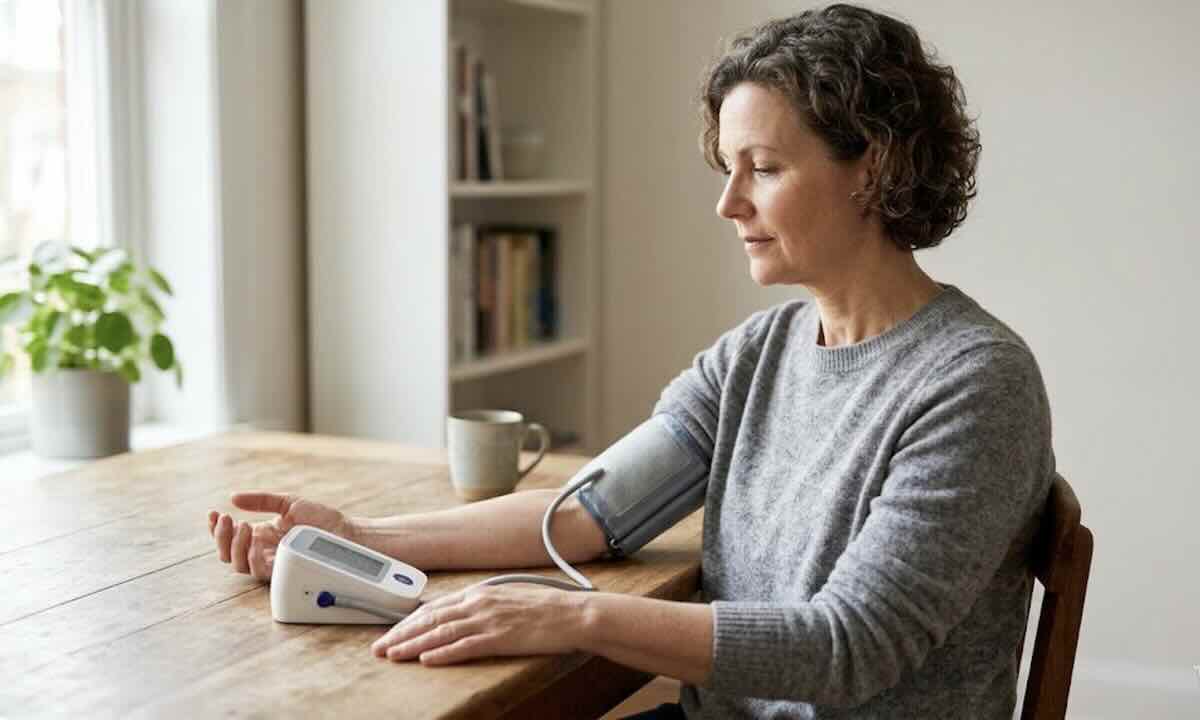
1. Taking a reading without resting first
One of the biggest mistakes is checking blood pressure immediately after walking around, climbing stairs, rushing, or feeling stressed. Your body needs a few quiet minutes before measurement so the reading reflects a more stable state.
What to do instead:
Sit quietly before taking the reading and avoid jumping straight into measurement.
2. Talking during the reading
Many people talk while the cuff is inflating or while the device is taking the measurement. Even casual talking can interfere with the result. The CDC specifically advises staying still and not talking during measurement.
What to do instead:
Stay silent and relaxed until the monitor finishes.
3. Using poor sitting posture
Bad posture can change the reading. Sitting with your back unsupported, legs crossed, or feet dangling can all affect measurement quality. The CDC recommends sitting with your back supported and your feet flat on the floor.
What to do instead:
Sit upright in a chair, support your back, and keep both feet flat.
4. Letting the arm hang too low
Your arm position matters more than many people realize. If the arm is hanging down or unsupported, the reading may be less reliable.
What to do instead:
Rest the arm on a table so it stays around heart level during the reading. This is one reason many people prefer an upper-arm device for home use, as discussed in Why Upper Arm Blood Pressure Monitors Are Preferred for Home Use.
5. Putting the cuff over clothing
A blood pressure cuff should not be wrapped over a shirt or sweater sleeve. The CDC advises placing the cuff on bare skin.
What to do instead:
Place the cuff on your bare upper arm, not over fabric.
6. Using the wrong cuff size
A cuff that is too small or too large can lead to misleading readings. Proper cuff fit is one of the most important parts of home monitoring, and current public health guidance emphasizes choosing an appropriate cuff size.
What to do instead:
Check the cuff range before buying and make sure it fits your arm properly.
If you are comparing devices, read How to Choose a Home Blood Pressure Monitor You Can Trust and Top 7 Features to Look for in a Home Blood Pressure Monitor.
7. Measuring at random times every day
Blood pressure changes throughout the day. That means random timing can make your tracking less useful. Consistent timing gives you better comparisons over time. NHLBI notes that blood pressure changes during the day depending on activities.
What to do instead:
Take readings at similar times each day when tracking patterns.
8. Taking only one reading
A single reading may not tell the full story. Public health tracking materials commonly recommend more than one reading taken a minute or two apart when monitoring at home.
What to do instead:
Take two readings, about one to two minutes apart, and record both.
9. Ignoring patterns and focusing on one number
People often panic over one reading or dismiss one high number too quickly. Blood pressure is more meaningful when tracked as a pattern, not as a single isolated event.
What to do instead:
Log your readings and look for trends over time. That is why Why Regular Blood Pressure Monitoring Can Save Your Life remains one of the most important articles in your blood pressure education series.
10. Not understanding what the numbers mean
A monitor is much more useful when you understand normal, elevated, stage 1, and stage 2 ranges. Current U.S. guidance defines hypertension as blood pressure consistently at or above 130/80 mm Hg.
What to do instead:
Read How to Interpret Your Blood Pressure Readings: What the Numbers Really Mean so your tracking becomes more useful.
Final thoughts
Home monitoring works best when the routine is simple, repeatable, and accurate. Avoiding these ten common mistakes can make your readings far more useful and give you more confidence in what your numbers are showing. If you are ready to monitor more consistently, visit Buy V2, explore Product Features, or see all Products.
Related articles
- Why Regular Blood Pressure Monitoring Can Save Your Life
- How to Measure Your Blood Pressure Correctly at Home
- How to Choose a Home Blood Pressure Monitor You Can Trust
- Why Upper Arm Blood Pressure Monitors Are Preferred for Home Use
- How to Interpret Your Blood Pressure Readings: What the Numbers Really Mean
FAQs
What is the most common mistake when taking blood pressure at home?
One of the most common mistakes is taking a reading without proper rest, posture, and arm support. Talking during the reading and using the cuff over clothing are also very common errors.
Can talking during a blood pressure reading affect the result?
Yes. Talking during the reading can affect accuracy, which is why the CDC recommends staying quiet and still.
Does cuff size really matter?
Yes. A cuff that does not fit properly can lead to misleading readings.
Should I take more than one reading?
Yes. Taking two readings about one to two minutes apart is a common best practice for home tracking.
Why should I take readings at the same time each day?
Blood pressure changes through the day, so consistent timing helps you compare readings more meaningfully.

ZYBS U80B Upper Arm Blood Pressure Monitor
Voice-guided, large LED display, free shipping from Maryland. Designed for home use — simple, accurate, and FDA-cleared.
- English voice guidance after every reading
- Dual-user memory — 2 × 199 readings stored
- Large cuff fits 22–42 cm arm circumference
- USB-C power cable included · Free shipping from Maryland