
Why Hypertension Is Called the Silent Killer
High blood pressure is often called the silent killer because it can damage the body quietly over time without causing clear symptoms. Many people feel normal, continue with daily life, and do not realize anything is wrong until blood pressure has already begun affecting the heart, brain, kidneys, or eyes. The CDC and NHLBI both explain that high blood pressure often has no signs or symptoms, which is why regular measurement is so important.
That makes hypertension dangerous not because it is always dramatic, but because it is easy to miss.
Why is it called the silent killer
The phrase exists for a simple reason: people may have high blood pressure for years without knowing it. The CDC states that the only way to know if you have high blood pressure is to measure it. NHLBI adds that symptoms from high blood pressure often do not appear until it has caused serious health problems.
That means someone may:
- feel fine
- assume everything is normal
- skip regular checks
- only discover the issue later, after damage has already developed
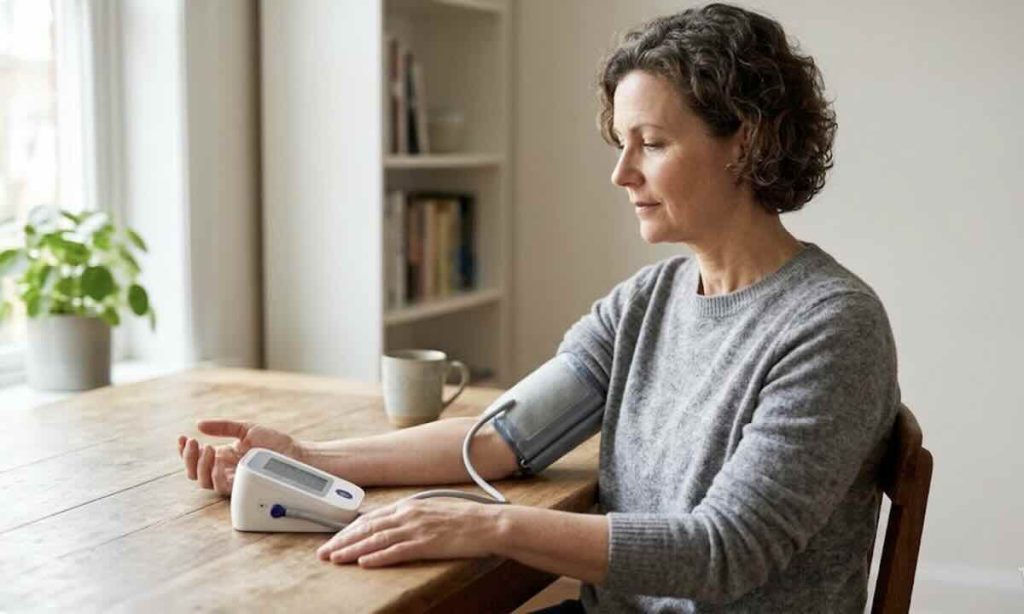
What high blood pressure can affect
When blood pressure stays high over time, it can increase strain on blood vessels and major organs. CDC guidance notes that high blood pressure can lead to problems involving the heart, brain, kidneys, and eyes, and it increases the risk for heart disease and stroke.
This is why hypertension deserves attention even when it does not cause obvious symptoms.
Why people miss it
Many people miss high blood pressure because they expect it to feel dramatic. But hypertension often does not announce itself clearly. That is exactly what makes it dangerous.
People are more likely to miss it when they:
- do not check their blood pressure regularly
- assume no symptoms means no problem
- do not understand what their numbers mean
- do not use home monitoring consistently
That is why your existing content cluster matters so much. A reader may start with Why Regular Blood Pressure Monitoring Can Save Your Life, then move into How to Measure Your Blood Pressure Correctly at Home and How to Interpret Your Blood Pressure Readings: What the Numbers Really Mean.
Who is at risk?
High blood pressure can affect adults of many ages. Current public health guidance notes that it becomes more common with age, but it is not limited to older adults. Risk can also rise with factors such as family history, unhealthy diet, inactivity, excess weight, diabetes, and other medical conditions.
For a deeper look, readers can go to What Causes High Blood Pressure? Understanding the Hidden Risks.
How to stay ahead of hypertension
The good news is that you do not have to wait for symptoms to start paying attention. Staying ahead of hypertension begins with awareness.
Here are the most practical steps:
Know your numbers
You cannot manage what you never measure.
Use home monitoring consistently
Regular home monitoring helps you spot patterns earlier and have better conversations with a healthcare professional. It is also supported by current public health guidance as part of better hypertension awareness and control.
Use proper technique
Poor technique can make readings less useful. That is why the basics matter:
- sit properly
- support the arm
- use the cuff on bare skin
- avoid talking
- keep timing consistent.
Choose a monitor you will actually use
A good home monitor should feel manageable for regular use. That is why these articles matter:
- How to Choose a Home Blood Pressure Monitor You Can Trust
- Top 7 Features to Look for in a Home Blood Pressure Monitor
- Why Upper Arm Blood Pressure Monitors Are Preferred for Home Use
- Upper Arm vs Wrist Blood Pressure Monitor
Why home monitoring matters so much
Since high blood pressure can stay hidden for a long time, home measurement becomes one of the simplest ways to stay ahead of it. The CDC’s social media toolkit even emphasizes that high blood pressure is often called the silent killer and that monitoring your own blood pressure at home can help keep it under control.
If readers are ready to take the next step, they can go directly to Buy V2 or explore Products and Product Features.
Final thoughts
Hypertension is called the silent killer because it often causes no obvious symptoms while still increasing risk for serious health problems over time. That is exactly why education, regular checks, and home monitoring matter so much. The earlier people understand the risk, the easier it becomes to build habits that support awareness and early action.
Related articles
- Why Regular Blood Pressure Monitoring Can Save Your Life
- What Causes High Blood Pressure? Understanding the Hidden Risks
- How to Measure Your Blood Pressure Correctly at Home
- How to Interpret Your Blood Pressure Readings: What the Numbers Really Mean
- How to Choose a Home Blood Pressure Monitor You Can Trust
FAQs
Why is hypertension called the silent killer?
Because high blood pressure often causes no obvious symptoms while still damaging the body over time.
Can you have high blood pressure and feel normal?
Yes. Many people with high blood pressure feel normal, which is one reason it is often missed.
What organs can high blood pressure affect?
High blood pressure can affect the heart, brain, kidneys, and eyes, and it increases the risk of heart disease and stroke.
What is the best way to stay ahead of hypertension?
Know your numbers, check your blood pressure regularly, use proper technique, and follow up when readings stay high.
Can home monitoring help?
Yes. Home monitoring can help people stay aware of their blood pressure and support better control over time.

ZYBS U80B Upper Arm Blood Pressure Monitor
Voice-guided, large LED display, free shipping from Maryland. Designed for home use — simple, accurate, and FDA-cleared.
- English voice guidance after every reading
- Dual-user memory — 2 × 199 readings stored
- Large cuff fits 22–42 cm arm circumference
- USB-C power cable included · Free shipping from Maryland