
Monitor Blood Pressure at Home?
A lot of people think home blood pressure monitoring is only for people who already know they have hypertension. That is not always true. who should monitor blood pressure? The truth is, home blood pressure monitoring can be useful for many different kinds of people. It can help people with known high blood pressure, those at higher risk, people trying to better understand their readings, and even family members or caregivers helping someone stay on top of their health.
High blood pressure often has no obvious symptoms, which is one reason it can go unnoticed for a long time. The American Heart Association recommends home monitoring for all people with high blood pressure, and it can also help confirm a diagnosis. The CDC and NHLBI also emphasize that proper measurement and regular tracking can help people better understand their blood pressure over time.
Authority references:
- American Heart Association home monitoring guidance:
- CDC blood pressure measurement guidance
- NHLBI high blood pressure overview:
At Zybs Medical Group, we see home monitoring as more than just using a device. It is a practical habit that helps people stay aware of their numbers between appointments and make more informed decisions.
1. People who already have high blood pressure
This is the most obvious group. If you have already been told you have high blood pressure, home monitoring matters.
The American Heart Association recommends home monitoring for all people with high blood pressure because it helps healthcare professionals know if treatment is working. That makes home tracking one of the most useful things a person with hypertension can do between appointments.
For this group, home monitoring helps:
- track patterns over time
- support treatment follow-up
- Check whether numbers are staying controlled
- Give more useful information during doctor visits
If you already have hypertension, this article should also connect you to:
- Why Regular Blood Pressure Monitoring Can Save Your Life
- How Often Should You Check Your Blood Pressure at Home?
- What to Do If Your Blood Pressure Reading Is Suddenly High
2. People whose readings have been borderline or elevated
Not everyone who should be monitored at home has a formal diagnosis yet.
Some people have been told:
- “your blood pressure is a little high”
- “let’s keep an eye on it”
- “it was elevated today”
- “you should start checking at home”
This is where home monitoring becomes especially helpful. A reading taken once in an office does not always show the full picture. Blood pressure changes during the day depending on stress, activity, caffeine, sleep, and routine. NHLBI notes that blood pressure changes throughout the day based on your activities.
That means people with elevated or borderline readings can benefit from seeing how their numbers trend over time in a calmer home setting.
Related ZYBS articles:
- How to Interpret Your Blood Pressure Readings: What the Numbers Really Mean
- What Causes High Blood Pressure? Understanding the Hidden Risks
3. Adults with a family history of high blood pressure
If high blood pressure runs in your family, home monitoring may be a smart step even if you feel fine.
Many people do not realize their blood pressure is rising because hypertension often does not cause obvious symptoms early on. That is why people with a family history of hypertension, heart disease, or stroke should be more aware of their numbers.
Home monitoring can help this group:
- catch patterns earlier
- build awareness before problems become more serious
- turn family risk into practical prevention
This group should also read:
- Why Hypertension Is Called the Silent Killer And How to Stay Ahead of It
- Morning vs Evening Blood Pressure Readings: Which Is Better?
4. Veterans
Veterans are another important audience for home monitoring, especially between medical appointments.
For many veterans, health management does not happen only in the clinic. Home blood pressure tracking can help veterans stay more aware of patterns over time and give them something practical to discuss during follow-up visits.
This is exactly why we created a veterans-focused page and content around this topic:
- Blood Pressure Monitoring for Veterans: Why Home Tracking Matters Between Medical Appointments
- Blood Pressure Monitor for Veterans
For veterans, home monitoring can be especially useful because it helps bridge the gap between appointments and supports more consistent awareness at home.
5. Seniors and older adults
Older adults are another group who often benefit from regular home blood pressure monitoring.
As people get older, blood pressure concerns become more common, and routine health tracking becomes more important. A home monitor can help seniors and their families keep a closer eye on readings without relying only on occasional in-office checks.
What matters most for seniors is that the monitor is:
- easy to use
- easy to read
- comfortable enough for routine use
- practical for repeated tracking
That is why the right device matters. These articles help with that:
- How to Choose a Home Blood Pressure Monitor You Can Trust
- Top 7 Features to Look for in a Home Blood Pressure Monitor
- Why Upper Arm Blood Pressure Monitors Are Preferred for Home Use
6. Spouses, caregivers, and family health supporters
Sometimes the person who benefits from home monitoring is not doing it alone.
Spouses, adult children, and caregivers often help with:
- setting up the monitor
- reminding someone to check
- writing down readings
- noticing patterns
- helping decide when medical follow-up is needed
This makes home blood pressure monitoring valuable not just for the person being checked, but for the people helping them stay on top of their health.
That caregiver angle is especially important in these related posts:
- Blood Pressure Monitoring for Veterans: Why Home Tracking Matters Between Medical Appointments
- How to Measure Your Blood Pressure Correctly at Home
7. People trying to improve their health habits
Some readers may not have a diagnosis yet, but they are trying to improve their health because of weight, diet, inactivity, stress, or other concerns.
For these people, home monitoring can be part of a broader awareness routine. It helps turn general concern into something measurable.
For example, if someone is:
- exercising more
- reducing sodium
- improving sleep
- paying more attention to hydration
- trying to reduce daily stress
Then a home monitor can help them follow their numbers more consistently over time.
These readers should also see:
- Can Dehydration Affect Blood Pressure? What You Should Know
- What Foods Can Raise Blood Pressure Quickly?
- The 10 Most Common Blood Pressure Monitoring Mistakes
8. People who get nervous in medical settings
Some people get higher readings in a clinic because they feel tense during the appointment. Home readings taken calmly and correctly can provide a better picture of their blood pressure in everyday life.
That does not mean home monitoring replaces medical care. It means it adds useful context.
This is one reason the AHA says home monitoring can help confirm the diagnosis of high blood pressure.
Who may not need frequent home monitoring?
Not every person needs to check their blood pressure constantly.
For some people, occasional routine checks with a healthcare provider may be enough. Others may need more frequent home monitoring due to elevated readings, risk factors, or an existing diagnosis.
The point is not to create fear or over-checking. The point is to use home monitoring in a useful, calm, and consistent way.
The most important thing: proper technique
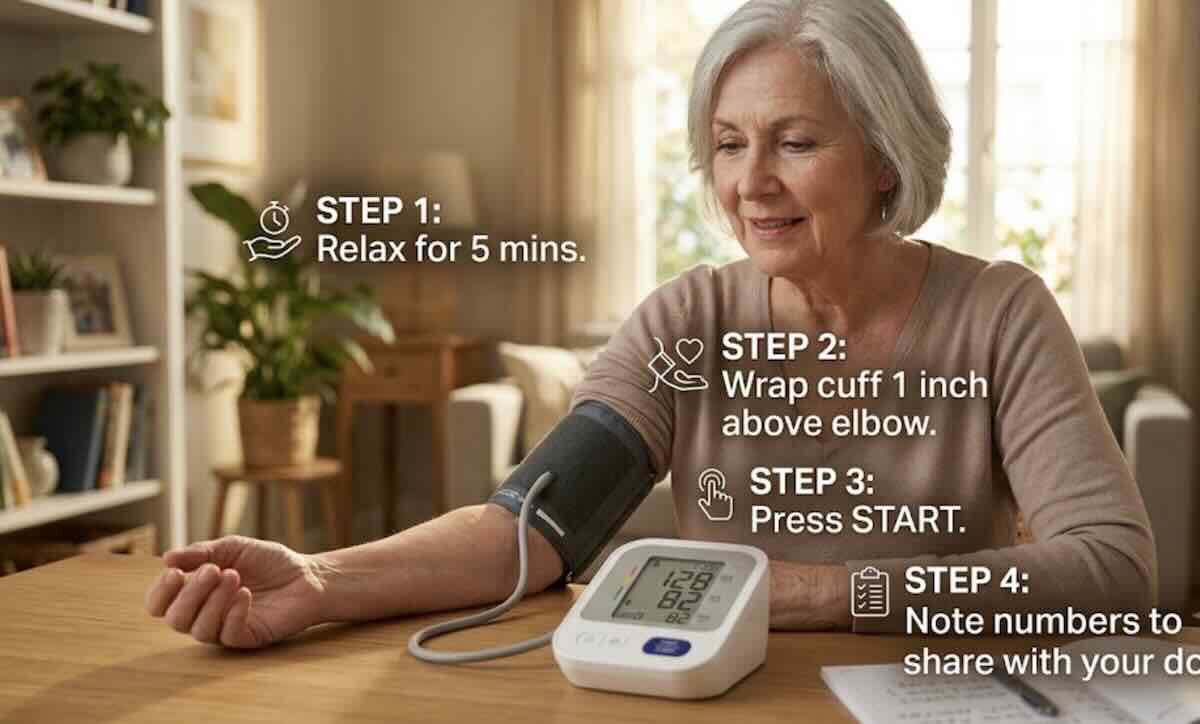
No matter who is monitoring at home, the process only helps if it is done correctly.
The CDC’s proper measurement guidance says:
- Do not talk during the reading
- support your arm at chest or heart level
- Place the cuff on bare skin
- support your back
- Keep feet flat on the floor
Authority references:
- CDC measurement page:
- American Heart Association home measurement PDF:
- NHLBI self-measured blood pressure fact sheet:
For proper use, readers should continue to:
Choosing a monitor that fits real life
The right monitor is the one people will actually use consistently.
For most home users, that means choosing something that is:
- upper-arm based
- easy to read
- simple to operate
- comfortable enough for repeat use
- Reliable for everyday home tracking
If readers are ready to choose a monitor, they can go to:
Final thoughts
So, who should monitor blood pressure at home?
The answer includes more people than many realize:
- people with high blood pressure
- people with elevated readings
- adults with a family history
- veterans
- seniors
- spouses and caregivers
- people trying to build healthier routines
- people who want a clearer picture between appointments
Home monitoring is not about creating anxiety. It is about awareness. When done correctly and consistently, it helps people understand their numbers better and take more informed next steps.
If you are ready to monitor at home, start here:
Related Articles
- Why Regular Blood Pressure Monitoring Can Save Your Life
- How to Measure Your Blood Pressure Correctly at Home
- How to Choose a Home Blood Pressure Monitor You Can Trust
- Top 7 Features to Look for in a Home Blood Pressure Monitor
- What Causes High Blood Pressure? Understanding the Hidden Risks
- How to Interpret Your Blood Pressure Readings: What the Numbers Really Mean
- Why Upper Arm Blood Pressure Monitors Are Preferred for Home Use
- Upper Arm vs Wrist Blood Pressure Monitor
- The 10 Most Common Blood Pressure Monitoring Mistakes
- How Often Should You Check Your Blood Pressure at Home?
- Morning vs Evening Blood Pressure Readings: Which Is Better?
- What to Do If Your Blood Pressure Reading Is Suddenly High
- Blood Pressure Monitoring for Veterans: Why Home Tracking Matters Between Medical Appointments
- Blood Pressure Monitor for Veterans
FAQs
Who should monitor blood pressure at home?
People with high blood pressure, people with elevated readings, adults with family history, veterans, seniors, and people supported by spouses or caregivers can all benefit from home monitoring.
Is home blood pressure monitoring only for people with hypertension?
No. It can also be useful for people with borderline readings, risk factors, or a family history of high blood pressure.
Should seniors use a blood pressure monitor at home?
Yes, many seniors can benefit from home monitoring, especially when the device is easy to use and easy to read.
Can caregivers help with home blood pressure monitoring?
Yes. Caregivers and spouses can help with reminders, cuff setup, logging readings, and spotting patterns over time.
Should veterans monitor blood pressure at home?
Yes. Home monitoring can help veterans stay aware of their numbers between appointments and support better follow-up discussions.
What kind of blood pressure monitor is best for home use?
For most people, an automatic upper-arm monitor is the better starting point for regular home monitoring.
Does home monitoring replace doctor visits?
No. Home monitoring supports medical care, but it does not replace appointments or professional advice.
Why does proper technique matter so much?
Because poor posture, talking, wrong cuff placement, or the wrong cuff size can all affect your reading and make the numbers less useful.

ZYBS U80B Upper Arm Blood Pressure Monitor
Voice-guided, large LED display, free shipping from Maryland. Designed for home use — simple, accurate, and FDA-cleared.
- English voice guidance after every reading
- Dual-user memory — 2 × 199 readings stored
- Large cuff fits 22–42 cm arm circumference
- USB-C power cable included · Free shipping from Maryland