
Normal Blood Pressure by Age: A Practical Guide for Adults
Many people search for “normal blood pressure by age” because they want a simple answer. They want to know whether their numbers are still within the normal range for their age or if they should be worried.
That is a fair question.
But here is the important thing to understand: for adults, blood pressure is generally not judged by a separate “normal” chart for each age group. The standard adult blood pressure categories remain the primary guide. What changes with age is often the likelihood of high blood pressure, the importance of regular monitoring, and how often certain patterns, especially higher systolic readings, begin to show up.
That means a 35-year-old adult and a 68-year-old adult are still usually looking at the same basic category framework when checking whether a reading is normal, elevated, or high.
Authority references for this article:
- American Heart Association blood pressure categories:
- https://www.heart.org/-/media/files/health-topics/high-blood-pressure/hbp-rainbow-chart-english.pdf
- NHLBI high blood pressure overview:
- CDC about high blood pressure:
- CDC self-measured blood pressure support resource
At Zybs Medical Group, we want people to understand their numbers clearly, without making the topic sound more confusing than it needs to be.
So what is considered normal blood pressure for adults?
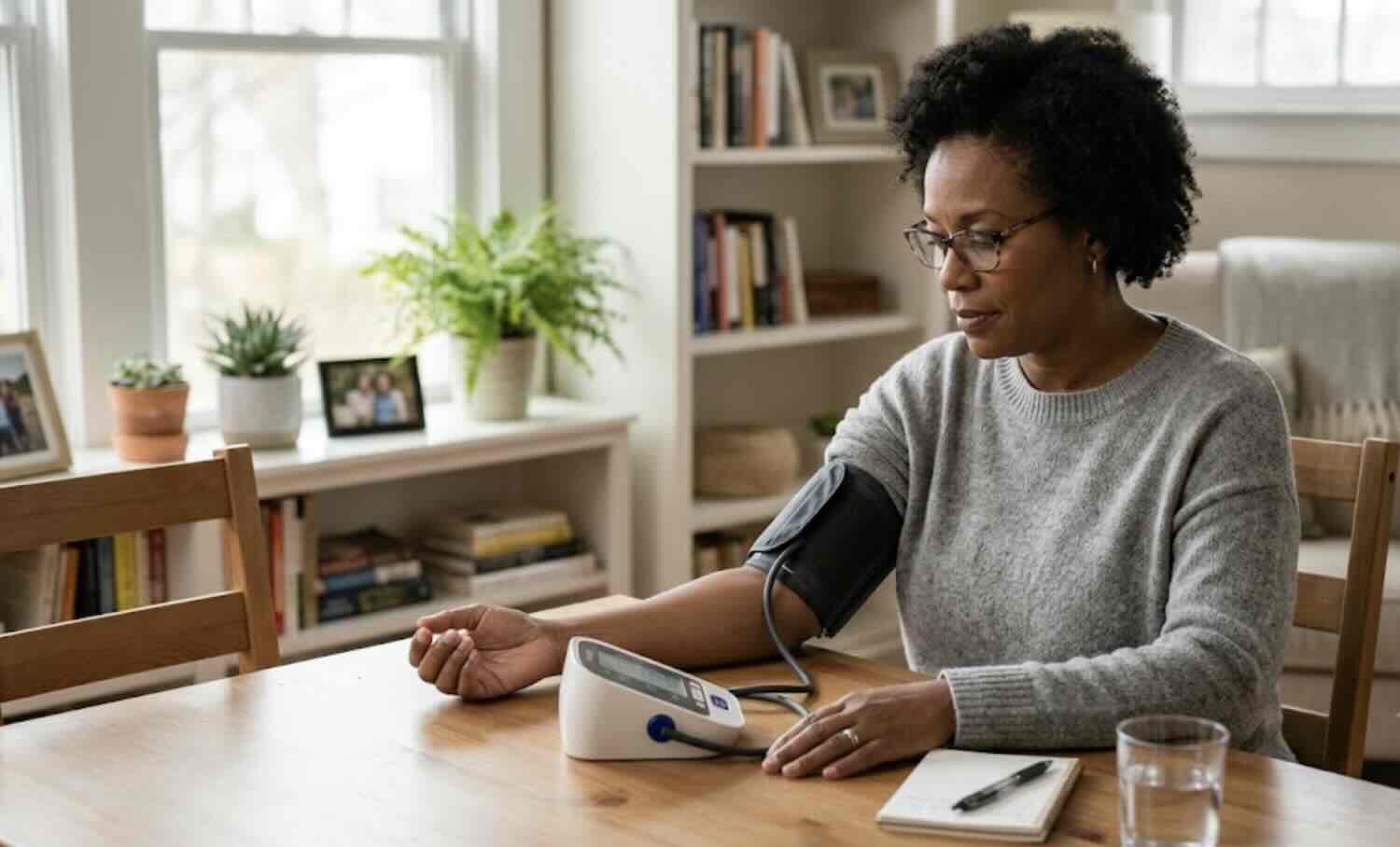
For most adults, a normal blood pressure reading is:
- less than 120 systolic
- and less than 80 diastolic
That means:
- 118/76 is generally in the normal range
- 119/79 is also generally in the normal range
According to current American Heart Association, NHLBI, and CDC guidance, adult blood pressure categories are generally:
- Normal: less than 120 and less than 80
- Elevated: 120 to 129 and less than 80
- Stage 1 high blood pressure: 130 to 139 or 80 to 89
- Stage 2 high blood pressure: 140 or higher or 90 or higher
- Severely high blood pressure: higher than 180 and/or higher than 120
If you want the full breakdown in plain language, also read:
- How to Interpret Your Blood Pressure Readings: What the Numbers Really Mean
- What to Do If Your Blood Pressure Reading Is Suddenly High
Why do people keep searching for blood pressure by age”?
People search for this because they notice something real: blood pressure concerns often become more common with age.
That part is true.
The American Heart Association notes that high blood pressure can affect adults of all ages, but it becomes more common as people get older. Older adults are also more likely to see changes in the top number, called systolic pressure.
So the better way to think about it is this:
- The blood pressure categories stay the same for adults
- But the chance of having high blood pressure tends to rise with age
- and regular monitoring becomes more important over time
That is why home monitoring can be useful not only for people who already have hypertension, but also for adults who want a clearer picture of what their readings are doing between appointments.
This also connects naturally to:
- Who Should Monitor Blood Pressure at Home?
- Why Hypertension Is Called the Silent Killer And How to Stay Ahead of It
A practical way to think about blood pressure by age
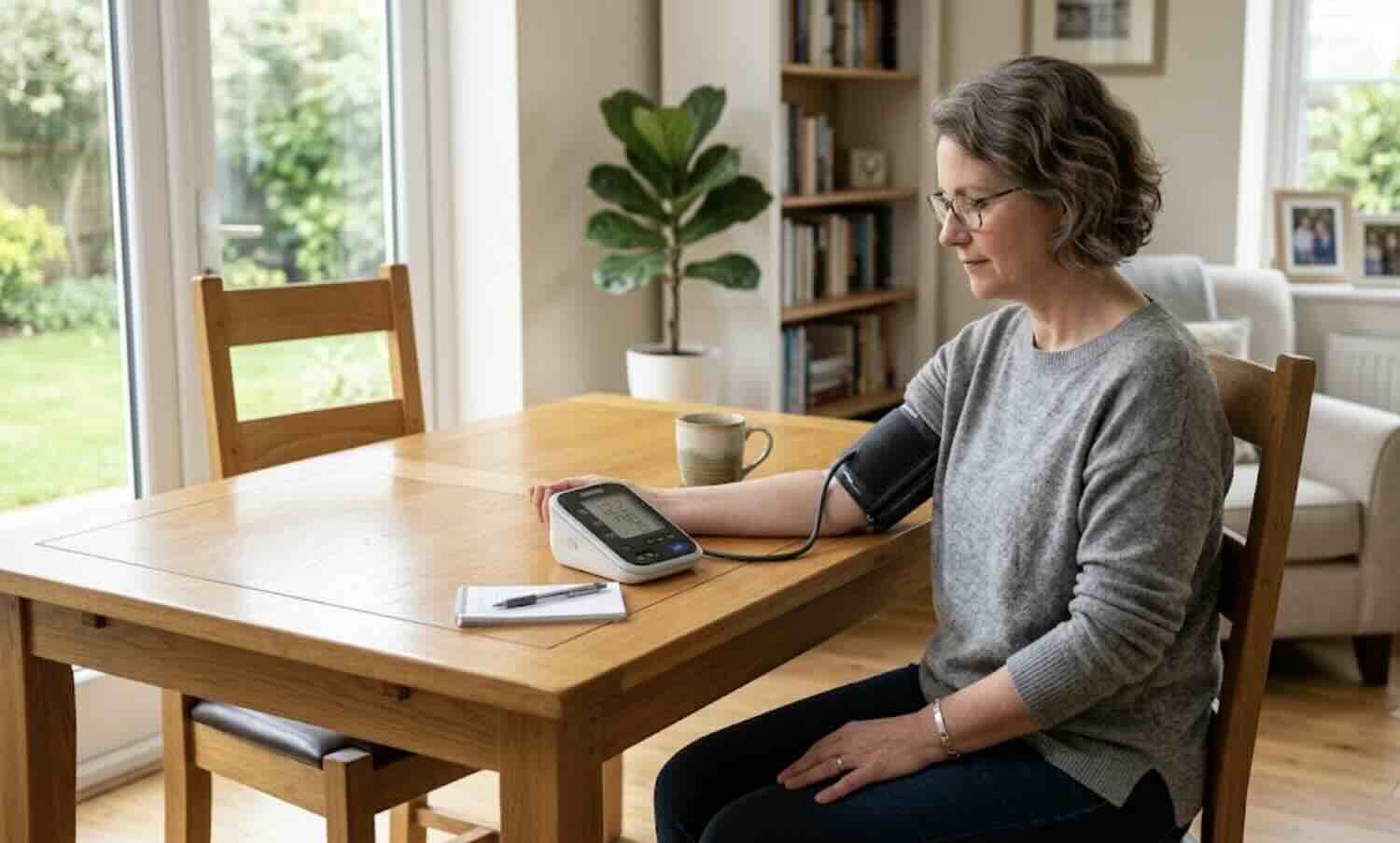
Instead of asking, “What is normal for my age?” a more useful question is:
“Which blood pressure category do my readings fall into, and am I tracking them consistently?”
That question is more helpful because it frames the issue in practical terms.
For example:
In your 20s and 30s
Many adults in this age group assume blood pressure is not something they need to think about yet. But high blood pressure can affect younger adults too. If there is a family history, stress, poor sleep, weight concerns, or unhealthy habits, home monitoring may still be useful.
In your 40s and 50s
This is often the stage when more people start paying closer attention to blood pressure. Monitoring becomes more useful if readings have been borderline, if there is a family history, or if health routines are changing.
In your 60s and beyond
Monitoring often becomes more important because blood pressure issues are more common in older adults. It can also be helpful for spouses, caregivers, and families who want a clearer picture between appointments.
For veterans, this is also why we created:
- Blood Pressure Monitoring for Veterans: Why Home Tracking Matters Between Medical Appointments
- Blood Pressure Monitor for Veterans
Why the top number often gets more attention with age
As adults get older, the top number, which is systolic pressure, often becomes especially important. The American Heart Association explains that for many people over age 50, the systolic number may give more information about cardiovascular risk.
That does not mean the bottom number does not matter. Both numbers matter. But it does explain why people sometimes notice the top number rising with age even when the lower number seems less dramatic.
This is another reason it helps to understand the readings properly instead of just staring at the screen and guessing what they mean.
Related ZYBS articles:
- How to Interpret Your Blood Pressure Readings: What the Numbers Really Mean
- Morning vs Evening Blood Pressure Readings: Which Is Better?
Why one reading still does not tell the whole story
No matter your age, one reading does not always tell the full story.
Blood pressure changes during the day. It can be affected by:
- caffeine
- poor sleep
- activity
- stress
- posture
- timing
- cuff size
- talking during the reading
That is why the CDC and AHA stress proper measurement technique and regular tracking under similar conditions.
Authority references:
If you want your readings to actually mean something, also read:
- How to Measure Your Blood Pressure Correctly at Home
- The 10 Most Common Blood Pressure Monitoring Mistakes
- How Often Should You Check Your Blood Pressure at Home?
So when should adults start monitoring blood pressure at home?
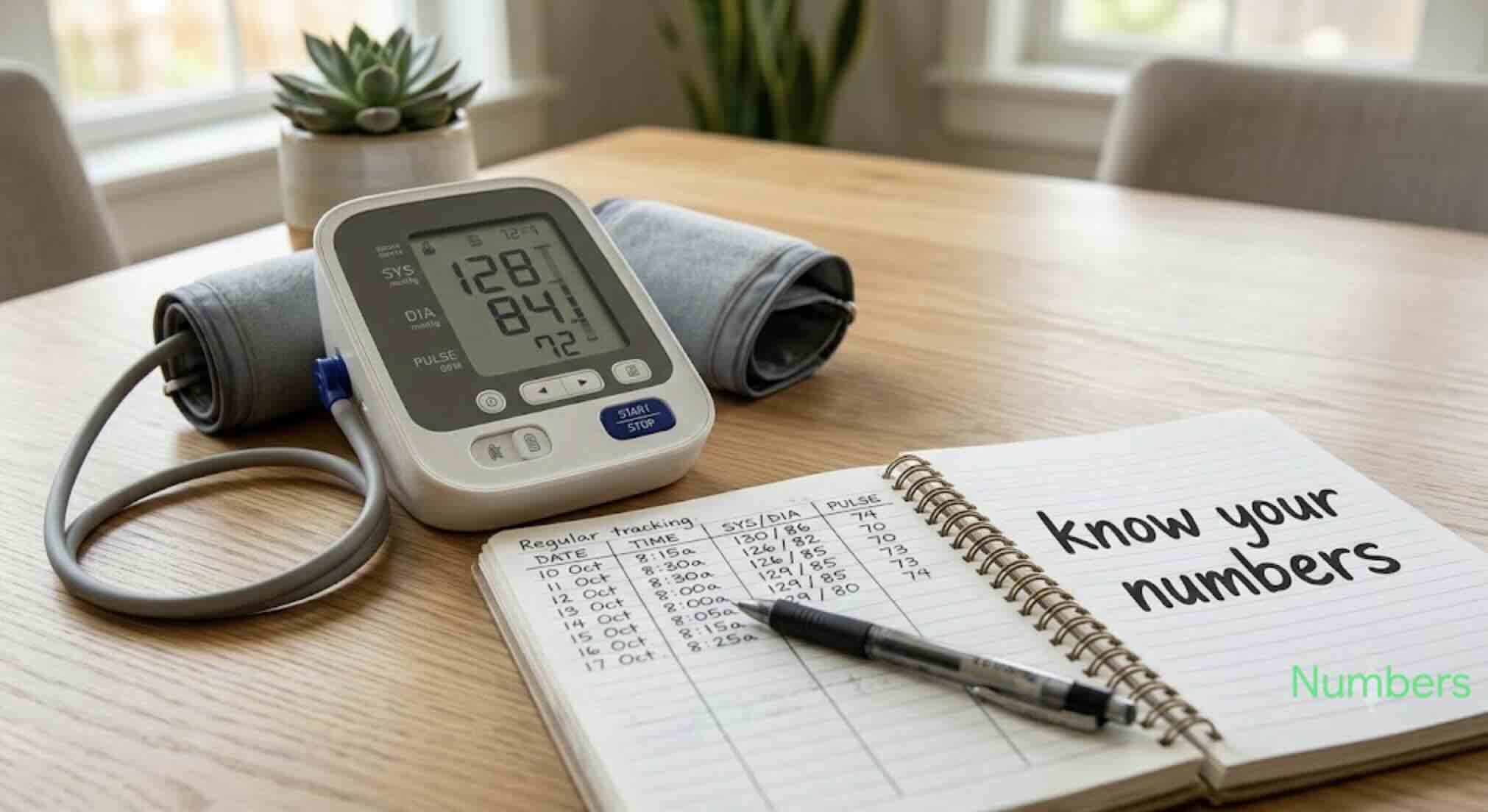
Home monitoring can make sense for adults who:
- Already have high blood pressure
- have had elevated or borderline readings
- have a family history of hypertension
- are older adults who want closer awareness
- are veterans or supported by caregivers
- are trying to improve diet, stress, sleep, or activity levels
- want to understand whether office readings reflect real everyday patterns
This article fits directly with:
- Who Should Monitor Blood Pressure at Home?
- How to Choose a Home Blood Pressure Monitor You Can Trust
- Why Upper Arm Blood Pressure Monitors Are Preferred for Home Use
- Upper Arm vs Wrist Blood Pressure Monitor
What this means for readers in real life
The big takeaway is this:
Do not depend on a made-up age chart you found somewhere online without context.
For adults, the safer and more useful approach is:
- know the current adult blood pressure categories
- Take readings correctly
- Track patterns over time
- Pay more attention as risk increases with age
- Use home monitoring to support better awareness, not panic
That makes the topic more practical and less confusing.
Choosing the right monitor for regular use
If you are going to track your blood pressure at home, the monitor should be something you can use correctly and consistently.
For most home users, that means looking for:
- upper-arm design
- easy-to-read display
- simple operation
- comfortable cuff fit
- practical home use
If you are ready to choose a monitor, start here:
Final thoughts
So, what is normal blood pressure by age?
For adults, the better answer is that the standard blood pressure categories generally stay the same, even though blood pressure concerns become more common with age. Normal blood pressure is still generally less than 120/80. High blood pressure is still generally 130/80 or higher when readings are consistent.
What changes with age is not the basic category chart. What changes is how important it becomes to monitor regularly, notice patterns earlier, and use a reliable home routine to stay informed.
If you want to take the next step, continue with:
- How to Interpret Your Blood Pressure Readings: What the Numbers Really Mean
- Who Should Monitor Blood Pressure at Home?
- Buy ZYBS ProCare™ Upper Arm Blood Pressure Monitor
Related Articles
- Why Regular Blood Pressure Monitoring Can Save Your Life
- How to Measure Your Blood Pressure Correctly at Home
- How to Choose a Home Blood Pressure Monitor You Can Trust
- Top 7 Features to Look for in a Home Blood Pressure Monitor
- What Causes High Blood Pressure? Understanding the Hidden Risks
- How to Interpret Your Blood Pressure Readings: What the Numbers Really Mean
- Why Upper Arm Blood Pressure Monitors Are Preferred for Home Use
- Upper Arm vs Wrist Blood Pressure Monitor
- The 10 Most Common Blood Pressure Monitoring Mistakes
- How Often Should You Check Your Blood Pressure at Home?
- Morning vs Evening Blood Pressure Readings: Which Is Better?
- What to Do If Your Blood Pressure Reading Is Suddenly High
- Who Should Monitor Blood Pressure at Home?
- Blood Pressure Monitoring for Veterans: Why Home Tracking Matters Between Medical Appointments
- Blood Pressure Monitor for Veterans
FAQs
Is there a different normal blood pressure range for each adult age group?
Not usually in the way many people think. For adults, the same standard category framework is generally used, even though blood pressure concerns become more common with age.
What is considered normal blood pressure for adults?
For most adults, normal blood pressure is generally less than 120 systolic and less than 80 diastolic.
Does blood pressure usually rise with age?
High blood pressure becomes more common with age, and higher systolic readings are seen more often in older adults.
Why do people search for blood pressure by age?
Because people want to know whether their reading is acceptable for their age. The more useful approach is to compare the reading to standard adult categories and track patterns over time.
Should older adults monitor blood pressure at home?
Yes, many older adults benefit from regular home monitoring, especially when they want a clearer picture between appointments.
Does one high reading mean I have high blood pressure?
Not always. One reading alone does not tell the full story. Proper technique and repeated readings over time matter more.
What kind of blood pressure monitor is best for home use?
For most home users, an upper-arm monitor is the better starting point for regular home monitoring.

ZYBS U80B Upper Arm Blood Pressure Monitor
Voice-guided, large LED display, free shipping from Maryland. Designed for home use — simple, accurate, and FDA-cleared.
- English voice guidance after every reading
- Dual-user memory — 2 × 199 readings stored
- Large cuff fits 22–42 cm arm circumference
- USB-C power cable included · Free shipping from Maryland